
The Hypochondriac Factory
Why we’ve spent twenty years teaching people that being human is a diagnosable disease.

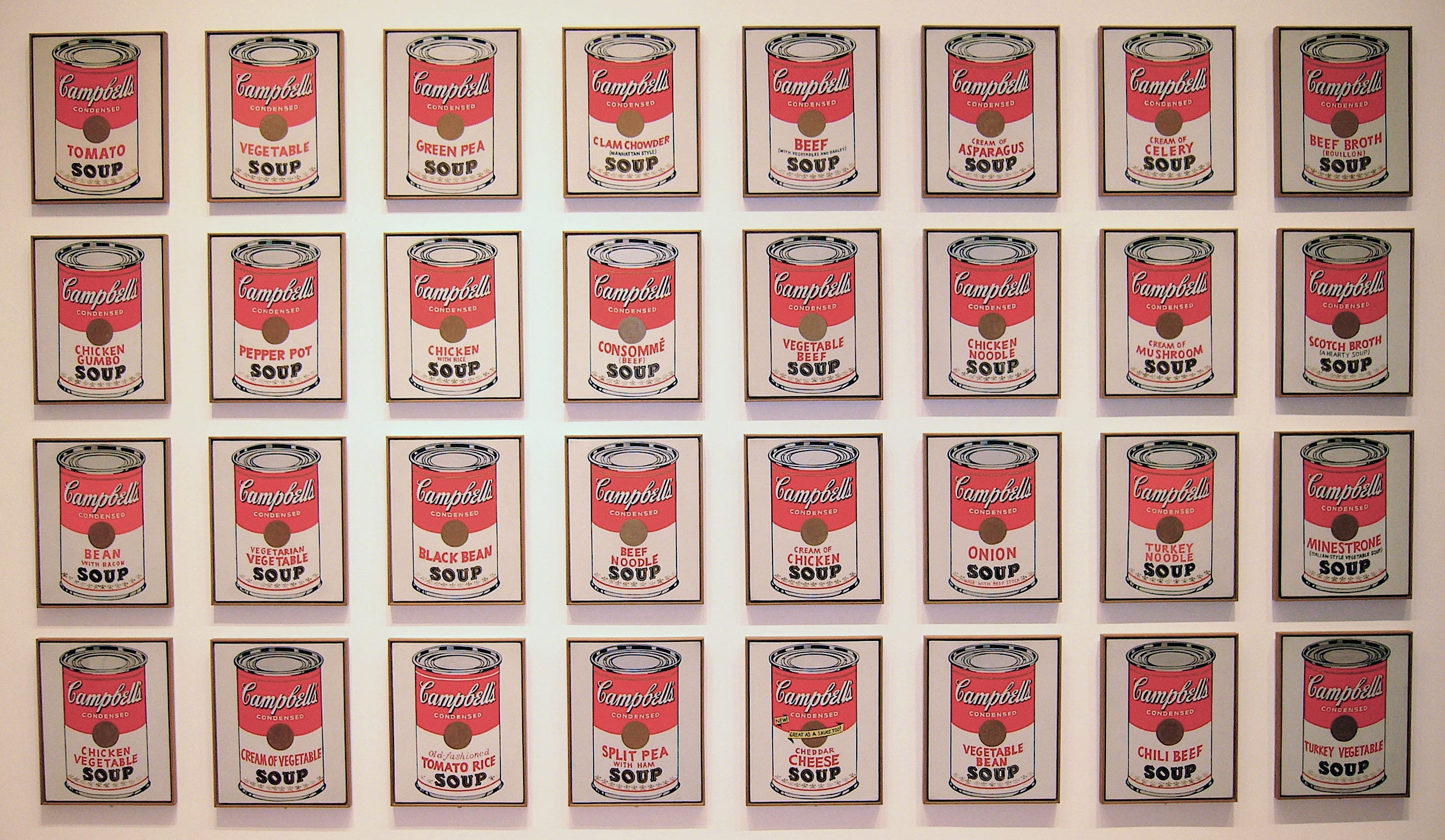
Warhol turned a soup can into art; the modern awareness industry has turned depression and anxiety into “content”.
We have finally won the war against silence. After twenty years of campaigning, nobody is afraid to talk about their mental health anymore. The only casualty was the ability to have a bad week without filing it under a diagnosis.
Lucy Foulkes and her intelligent colleagues recently published a review in Nature Reviews Psychology (2026), in which they set out to study whether mental health awareness efforts (designed, they write, to “decrease stigma, increase help-seeking and improve mental health literacy”) might also be doing something less flattering. Their answer arrives bubble-wrapped in academic caution but upon unboxing is, really, a confession: these campaigns may be “contributing to the rise in reported mental health problems”. They give the phenomenon a wonderfully clinical name, the “prevalence inflation hypothesis”, which is a polite way of saying we may have talked ourselves sick.
Consider the mechanics. The authors describe a study where people shown a post that “normalised anxiety” were “more likely to report that they might have an anxiety disorder”—while their actual anxiety levels didn’t budge at all. Read that twice. Their reported stress stayed the same. We offered a clinical term for the baseline struggle of existing, and they readily adopted the language to describe their own lives.
This is the “nocebo effect”—the placebo’s spiteful sibling. Tell someone a condition is real, common, and waiting for them, and the mind, ever obliging, sets about manufacturing the evidence. The review notes that informing people about “wind turbine syndrome” was enough to give them the symptoms of wind turbine syndrome. Our brains, it turns out, are less truth-detectors than suggestion-boxes that always say yes.
The young, naturally, are the most enthusiastic adopters. The authors observe that adolescence is a period when identity is “still in flux”, which makes it the perfect soil for what they delicately call the “unwell persona”—a self built not from experience but from diagnostic vocabulary. We told a generation that it was brave to name your pain, and they heard, correctly, that the surest way to be somebody is to have something.
But here is the part that the article almost whispers. The researchers aren’t even sure their own subjects believe what they’re reporting. The participants might just be “good participants”, parroting back the expected answers “owing to transient demand characteristics and the desire to be a ‘good participant’”. Good grief, sit with that. The scientists worry that people in a lab are performing illness to please the people in charge… and seem not to notice they’ve just described the entire culture outside the lab. On social media, in the classroom, in the open-plan office: being a “good participant” now means having something to disclose. The study captured the spirit of the age, and then apologised for it.
The proposed cure? My favourite line in the whole document. To undo the damage of teaching people too much about disorders, the authors suggest teaching them about the nocebo effect—what they cheerfully call “nocebo education”. LMAO. Seriously. Read plainly, this is an institution announcing: We made you a hypochondriac by lecturing you, so we will now fix it with a further lecture explaining why you shouldn’t have trusted the first one. The therapeutic establishment has discovered that its product causes harm and has responded by launching a second product to manage the harm caused by the first. (Somewhere, as always, a VC economist is taking notes.)
To their genuine credit, the authors end by asking the only question that matters: whether the benefits are “sufficient” to “tolerate the amount of risk”. It is a careful, footnoted way of asking the thing that no awareness campaign has ever printed on a poster: Are we helping, or are we teaching healthy people to audit themselves for defects until they find some?
They close, as all such papers must, by insisting that “more research is urgently needed”.
Perhaps it is. But the proper conclusion never makes it into the abstract. We set out to teach the world that it’s okay not to be okay. We succeeded so completely that we forgot to mention the other option—and a generation grew up believing that being okay was the only thing left to be ashamed of.
Excellent.
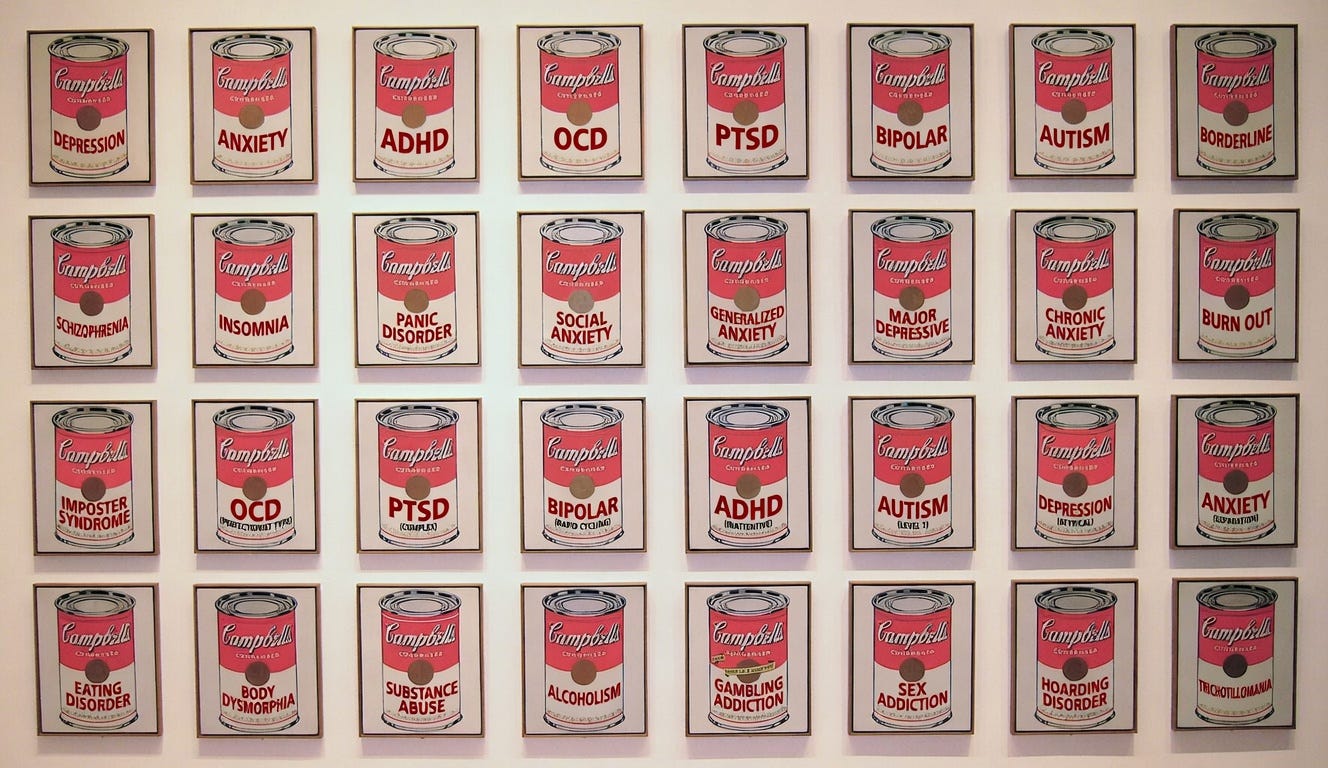
Source:
Foulkes, Lucy, Isaac Winterburn, Dasha Sandra, Michael Inzlicht, Jack L. Andrews, and Carolina Guzman Holst. “The psychological consequences of mental health awareness efforts.” Nature Reviews Psychology 5 (2026): 173–184. https://doi.org/10.1038/s44159-026-00532-7
👉🏻 Direct author-hosted PDF (full formatted version matching the published paper, no paywall) https://static1.squarespace.com/static/550b09eae4b0147d03eda40d/t/69e646ad5dbf246e1f90aa8d/1776699058188/The-psychological-consequences-of-mental-health-awareness-efforts.pdf